Listen to this article
On This Page
Remember when downloading a single episode took longer than actually listening to it? Those dial-up days feel like ancient history now. The podcasting landscape has transformed so dramatically over the past decade that today's creators have superpowers their predecessors could only dream of.
Growing at 27% CAGR according to Polaris Market Research
That's not just growth — it's a global content revolution unfolding in real time.
Phase 1: The Pioneering Years (2014–2018)
When Podcasting Felt Like Rocket Science
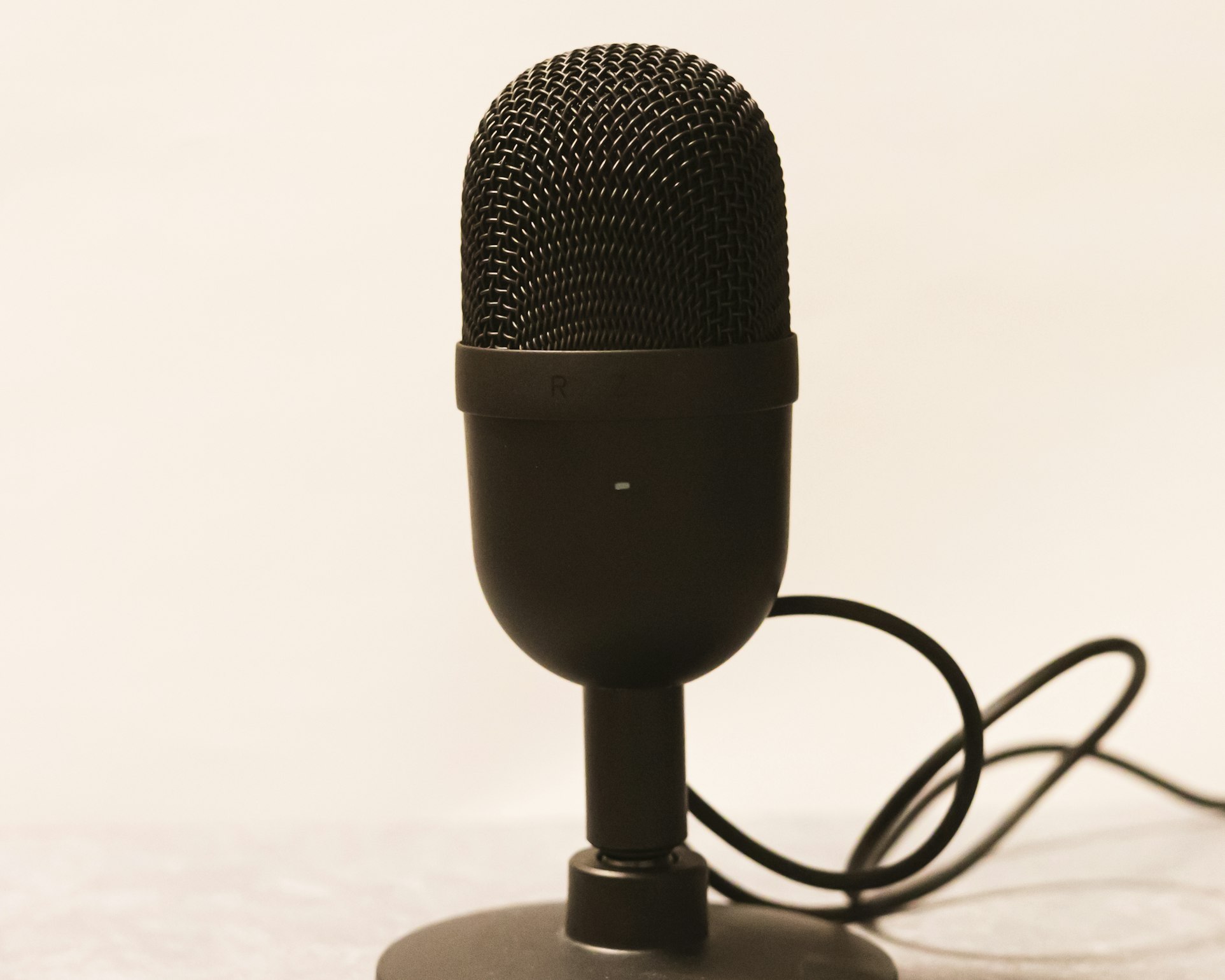
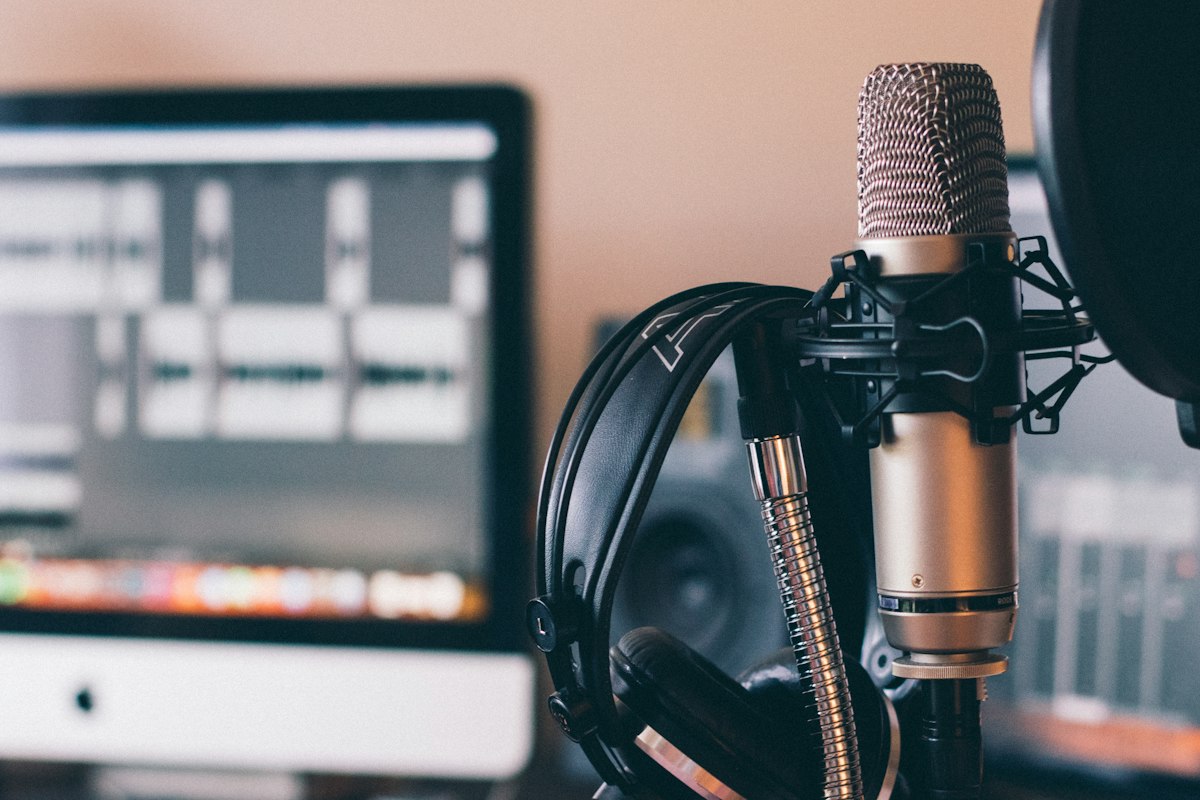
Starting a podcast back in 2015? Brace yourself. You needed expensive gear like Blue Yeti mics, Zoom recorders, or a full XLR setup with a studio interface to sound decent.
Recording wasn't just about talking — it was about mastering complicated software like Audacity or Adobe Audition. Every breath, cough, or background sound had to be manually removed. No shortcuts.
And when you were finally done editing? You'd have to manually upload your episode to platforms like SoundCloud or Libsyn, sometimes even through old-school FTP.
The Reality for Early Podcasters
| Challenge | Reality |
|---|---|
| Equipment | Expensive professional gear required ($500+) |
| Editing | Hours of manual work per episode |
| Software | Steep learning curve (weeks to learn) |
| Discovery | Finding new podcasts was incredibly rare |
| Distribution | Manual uploads, FTP transfers |
But here's the wild part: despite all that, people still made podcasts because they believed in the format. It wasn't easy, but it was the start of something big.
Phase 2: The Accessibility Era (2018–2021)
When Podcasting Went Mobile
Everything changed when mobile podcasting apps showed up. Tools like Anchor (now Spotify for Podcasters) let you record, edit, and publish right from your phone.
What Got Better
The Accessibility Wins
Beginner-Friendly
Tools actually lived up to their promises of simplicity.
Global Growth
Podcast creation exploded as barriers crumbled worldwide.
Offline Support
Data-efficient compression supported massive scale adoption.
Inclusive
Non-technical users could finally join the podcasting party.
Phase 3: The Content Creation Boom (2021-2023)
Tools That Actually Work
This is the era when podcasting finally became powerful and easy. Tools that once cost thousands were now just a few clicks away — even free in some cases.
Pandemic Accelerator
Thanks to the pandemic, remote recording tools took a huge leap forward. Suddenly, you could record high-quality podcasts with your co-host sitting halfway across the world — all from your bedroom.
The New Normal
Real-time Recording
Record with guests in different cities with crystal-clear quality.
Auto Noise Reduction
Clean up your audio without any manual effort required.
One-Click Publishing
Send episodes to Spotify, Apple, and more instantly.
Built-in Analytics
Understand who's listening and when they tune in.
While all that was happening, something big was quietly creeping in: AI. Tools started offering automatic transcriptions, smart editing tips, and content suggestions.
Phase 4: The AI Revolution (2023–Present)
When Podcasting Got Smart
Now we're in the truly wild west of podcasting technology. AI-powered podcasts are becoming more popular, showing how powerful generative AI can be in podcasting.
Experience AI Audio Tools Today
AudioPod AI is making next-gen audio tools accessible to everyone.
Try AudioPod FreeSpeaker Extraction: The Magic of Audio Isolation
Ever wished you could isolate just one speaker from a multi-person conversation? Speaker extraction technology makes this possible using advanced machine learning algorithms.
What You Can Do with Speaker Extraction
Voice Cloning: Your Digital Vocal Twin
That's all it takes to clone a voice with accurate tone, pitch, and style
Applications for Content Creators
| Use Case | Benefit |
|---|---|
| Multilingual Content | Clone your voice to create podcasts in multiple languages |
| Consistent Branding | Maintain your unique vocal identity even when unavailable |
| Content Scaling | Generate promotional content without additional recording |
| Accessibility | Create audio versions of written content using your voice |
Challenges and Opportunities in the New Era
The widespread accessibility of podcasting technology has unlocked incredible opportunities — but it also introduces new challenges.
The Opportunity
Global internet access and smartphone usage are expanding the potential podcast listener base rapidly. Anyone can reach diverse audiences worldwide.
The Challenge
Lower entry barriers mean the space is more crowded than ever. Success now hinges on content quality, audience engagement, and consistent value delivery.
What's Next for Podcasting Tech?
The future of podcasting is all about smart, personalized experiences. We're heading into an era where podcasts won't just talk — they'll listen, adapt, and respond to each listener.
Real-time Language Translation
Break language barriers and reach global audiences instantly with AI-powered translation.
Emotion-aware AI
Content that adjusts based on listener mood and engagement patterns.
Blockchain Monetization
Creator payment systems that cut out middlemen and maximize earnings.
VR Integration
Immersive podcast experiences that transport listeners into the content.
Conclusion: From Humble Beginnings to Limitless Possibilities
The evolution of podcasting technology over the last decade reads like a science fiction novel. We've gone from clunky equipment and technical barriers to AI-powered tools that can clone voices, extract speakers, and create immersive audio experiences.
Key Takeaways
The barriers are gone. You don't need a studio or a sound engineer. You just need a story worth telling. Your voice matters — and now, the tools to share it are in your pocket.
”Related Articles
- Best NotebookLM Alternatives for AI Podcasts - Compare tools
- NotebookLM vs AudioPod - Detailed comparison
- How to Create AI Podcasts from PDFs - Step-by-step guide
- How to Clone Your Voice Free - Voice cloning tutorial
- Best AI Voice Generators 2026 - Voice tool comparison
- Best AI Music Generators - Add music to your podcasts